Miami U.S. Attorney Resigns After Grand Jury Delays and Staff Exits
Jason Reding Quiñones departs the Southern District of Florida as investigators postpone witness testimony and the office loses a quarter of its legal staff.
By Nathan Cooper ·
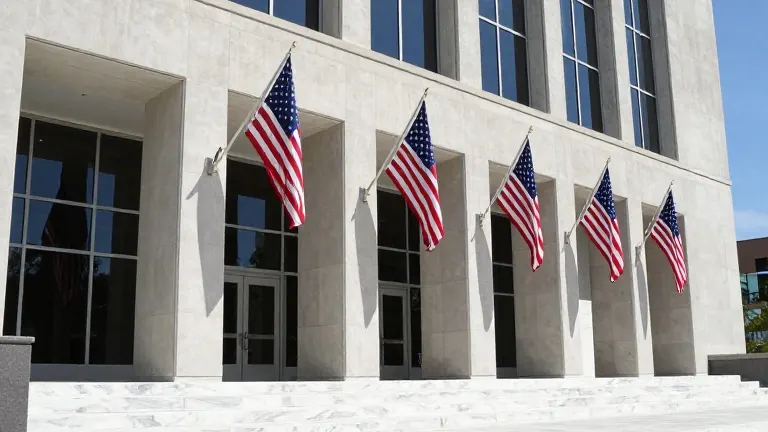
Jason Reding Quiñones resigned as the U.S. attorney for the Southern District of Florida on Friday, effective immediately. His departure follows a week of high-level exits at the Justice Department and comes as the federal investigation into alleged conspiracies against President Donald Trump faces procedural delays.
Quiñones announced his departure via a social media post, stating he is leaving with "immense pride in what we accomplished together." He credited President Trump for his trust and the staff of the Southern District for their dedication. The resignation follows the departure of John Eisenberg, the Justice Department's top national security official, who also resigned on Friday. Assistant Attorney General Harmeet Dhillon announced her departure on Thursday after leading a restructuring of the Civil Rights Division.
The Southern District of Florida became the center of a federal probe into whether former law enforcement and intelligence officials coordinated efforts against the Republican president. Quiñones was confirmed by the Senate last year to lead this office. Prior to his federal appointment, he served as a federal prosecutor in Miami and was appointed as a Miami-Dade County Judge by Governor Ron DeSantis in 2024.
Internal frustrations regarding Quiñones' management of the case contributed to his exit, according to people familiar with the matter who spoke on the condition of anonymity. The investigation has proceeded in fits and starts for over a year, marked by repeated setbacks and personnel changes. In April, a lead national security prosecutor was replaced after questioning the strength of the case involving former CIA Director John Brennan. Joseph diGenova, a former U.S. attorney for the District of Columbia, took over the probe but resigned from the Justice Department in September without filing criminal charges.
Staffing issues have plagued the office during Quiñones' tenure. Matthew Feely, the office’s Civil Division Chief, told a federal judge in July that the office had lost 40% of its civil attorneys since 2025. Feely apologized to the judge during a hearing on immigration cases, noting, "We’re struggling here, your honor." Multiple people familiar with the investigation said investigators postponed scheduled grand jury testimony from several witnesses in recent weeks.
Attorney General Todd Blanche praised Quiñones for his leadership in combating violent crime, drug trafficking, and transnational crime. Blanche specifically noted the office's indictment of former Cuban President Raúl Castro in May. Castro was charged with offenses related to the 1996 downing of civilian planes flown by Miami-based exiles. Blanche also acknowledged Eisenberg's service, stating he strengthened the nation's ability to address foreign and domestic threats.
Eisenberg, who was sworn in as the assistant attorney general in charge of the National Security Division in June 2025, oversaw cases involving espionage, terrorism, and cyber crimes. His division handled the prosecution of former national security adviser John Bolton, who pleaded guilty this year to mishandling classified information and is currently awaiting sentencing.
The departures mark the latest wave of changes within the Justice Department following the midterm elections. Quiñones' exit leaves the Southern District of Florida without a confirmed leader while the "grand conspiracy" probe remains active. The office continues to manage its caseload with a reduced staff following the documented turnover in both civil and investigative units.