Holiday Hosting Mistakes Linked to 128,000 Annual Hospitalizations
Experts warn that common Thanksgiving preparation errors create ideal conditions for bacterial growth, leading to severe foodborne illness.
By Mei Chen ·
For millions of Americans preparing to host Thanksgiving, the risk of foodborne illness is not just a theoretical concern but a statistical reality. The Centers for Disease Control and Prevention estimates that 48 million people in the United States fall ill from contaminated food each year. Of that total, 128,000 require hospitalization and 3,000 die. Dr. Rais Vohra, medical director for the Fresno/Madera division of the California Poison Control System, notes that cases often spike around the holiday due to large batches of food and long preparation times.
The primary danger stems from bacteria growing in food that sits at unsafe temperatures. Vohra explains that buffet-style serving and cooks who are unfamiliar with feeding large crowds create environments where germs can multiply. Symptoms of food poisoning, which include stomach pain, vomiting, and diarrhea, typically appear within four to 12 hours of consumption. While most adults recover, the condition can be fatal for older adults, young children, pregnant women, and those with weakened immune systems.
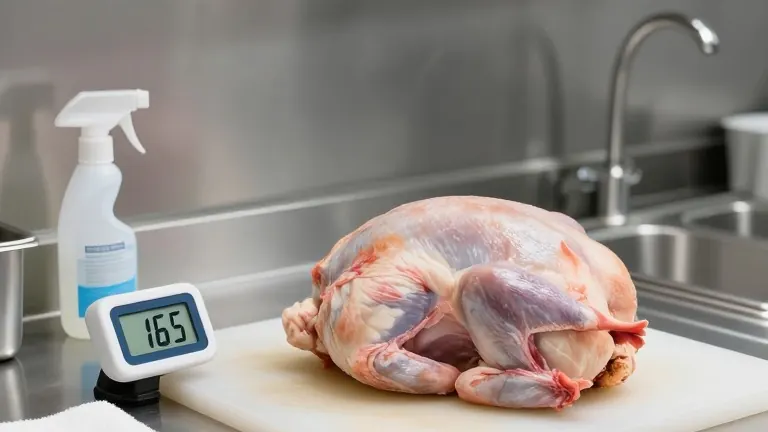
Safety protocols are straightforward but often neglected. The California Poison Control System recommends washing hands with soap and water before and after handling raw meat. Cooks must clean counters, cutting boards, and utensils with hot water or sanitizer between recipes, particularly after touching raw poultry. Raw turkey juices spread bacteria easily, so every surface the bird touches requires sanitization. Thawing should occur in the refrigerator, cold water, or microwave, never on a counter or in hot water.
Temperature control is the final line of defense. Hot dishes must remain at 140 degrees Fahrenheit or warmer, while cold items like salads and dressings must stay at 40 degrees or below. No food should sit at room temperature for more than two hours. Leftovers must be refrigerated promptly and reheated to 165 degrees before being served again. Cooking the stuffing separately from the turkey is also advised to ensure both reach a safe internal temperature and to prevent the bird from overcooking.
The holiday season also drives a surge in logistical planning among hosts. Cookbook author Dan Pelosi emphasizes the importance of reading recipes fully to avoid timing errors, while Martha Stewart’s website advises locking in guest counts early to determine necessary food quantities. TikTok creator Babs Costello, 78, shops five days in advance using a folded list organized by grocery department. These organizational strategies aim to reduce stress, but they do not eliminate the biological risks associated with large-scale meal preparation.
For those who suspect a guest has fallen ill, the Poison Control line is available 24 hours a day at 1-800-222-1222. The service is staffed by pharmacists, nurses, and other trained providers and is available in every state. The number is free and confidential, offering immediate guidance for those dealing with potential food poisoning incidents during the holiday week.