Front-Center Airbags Remain Rare in American Cars
New safety technology intended to prevent head collisions in side impacts is widely available in other markets but still an optional extra in the United States.
By Mei Chen ·
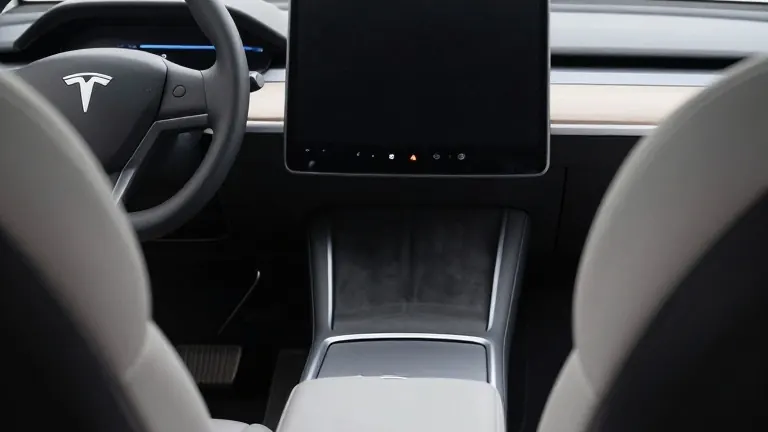
Vehicle manufacturers have largely excluded front-center airbags from standard U.S. model lineups despite the technology being available for over a decade. These devices deploy from the seat or center console during a crash to stop a driver from striking the passenger-side door. They also prevent the heads of a driver and passenger from colliding with each other during a sudden impact.
Crash victims often describe accidents as occurring in the blink of an eye, a perception that reflects the extreme speed of modern collisions. In reality, the event takes less than half the duration of a human blink. This timeframe is particularly short when the impact originates from the side, leaving little time for occupants to react or brace themselves.
The front-center airbag was designed specifically to mitigate injuries from this type of lateral force. While the hardware has been on the market for more than ten years, it remains a costly optional feature for most American buyers. Consequently, the safeguard is largely unavailable in the vehicles driving on U.S. roads today.
The lack of standardization has led to a situation where a critical crash safeguard is treated as an add-on rather than a base equipment item. This pricing structure creates a gap between the safety features available in other markets and those offered to U.S. consumers. The result is that many vehicles on the road lack a specific protection measure against head-to-head collisions.
The technology addresses a specific mechanical failure point in side-impact scenarios. Without the airbag, the driver’s head may move toward the passenger side door during a crash. The device intervenes in that motion, providing a physical barrier that reduces the force of the impact. Despite these clear mechanical benefits, the feature has not become ubiquitous in the domestic market.
The discrepancy between the technology's availability and its adoption rate highlights a persistent issue in vehicle safety equipment distribution. Consumers must often pay an additional fee to include the airbag in their purchase. This cost barrier contributes to the device's limited presence in the overall U.S. vehicle fleet, leaving many drivers without the protection against side-impact head injuries.
More Business · Bradenton news · Consumer Watch · Report a business · Got a Story?