DIY Paw Patrol Night Lights Cost Less Than Five Dollars
Three simple projects use recycled bottles, jars, and cups to create themed lighting for children's rooms.
By Nathan Cooper ·
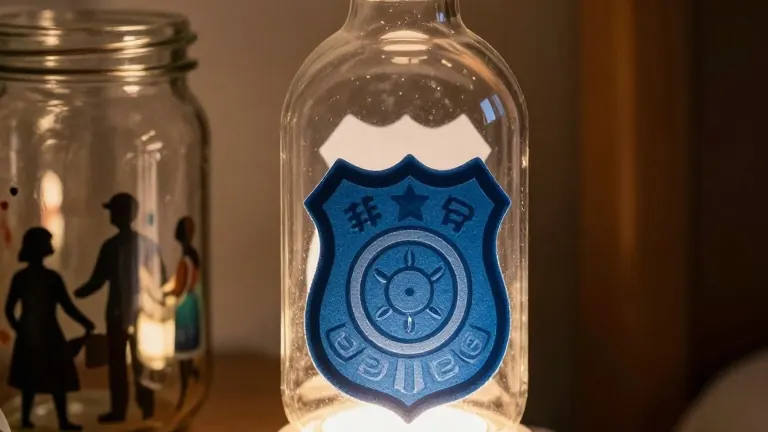
Parents seeking affordable room decor for children are turning to do-it-yourself projects inspired by the animated series Paw Patrol. The conflict in these household crafting efforts is often the balance between cost and quality. Commercial night lights can be expensive, but three specific DIY methods described in recent instructional guides use common household items to achieve a similar effect. These projects allow families to create themed lighting without purchasing specialized kits.
The first method uses a plastic soda bottle. The guide instructs users to wash and dry a transparent 1.5 or 2-liter bottle. They should cut off the top and bottom to create a cylindrical body. The interior is lined with white paper or translucent cellophane to diffuse light. Users cut shapes from blue or red foam, such as a police badge or fire helmet, and attach them to the front. A black cardboard silhouette of a puppy is placed inside. A small battery-operated LED string light is inserted through the open base.
The second project utilizes a recycled glass jar. A clean marmalade or coffee jar serves as the base. Users paint the exterior with a thin layer of diluted acrylic paint in blue or pink, creating a translucent finish that allows light to pass through. Silhouettes of characters like Rubble, Zuma, or Rocky are drawn on parchment paper and cut out. These paper shapes are glued to the inside of the jar using diluted school glue. Once dry, an LED battery candle is placed inside the jar and the lid is closed. The design illuminates the silhouettes when the room lights are off.
The third option is a star projector made from a sturdy paper cup or a cylindrical cardboard chip container. The base of the cup is lined with aluminum foil on the inside and outside to reflect light. Users draw small dog paw prints and stars on the base and pierce the cardboard with an awl or thick needle to create holes. Printed images of the paw patrol members are glued to the sides of the cup. A small handheld flashlight is placed inside, pointing at the base. When the room is dark, the device projects stars and paws onto the ceiling and walls.
The timeline of these projects begins with the selection of materials. For the bottle lamp, the key step is ensuring the LED light source is securely fastened at the base. For the jar lamp, the paint must be diluted to maintain translucency. For the projector, the foil lining is essential for light bounce. Each project requires basic tools like a cutter, sponge brush, or awl. The materials list for all three methods includes common items such as black markers, transparent paper, and battery-powered lights.
The source notes that these activities serve as exercises in creativity and fine motor skills. It highlights that the combination of teamwork themes from the show with hands-on crafting appeals to both children and adults. The guides emphasize that the resulting lights provide a soft, diffuse glow suitable for nightstands. The use of recycled items like soda bottles and coffee jars reduces the cost of the final product.
No specific brand names are required for the components beyond the character names from the series. The instructions specify using battery-operated lights to avoid electrical wiring. The projects are designed for the bedroom or living room. The final step for each project involves testing the light in a dark room to ensure the silhouettes or projections are visible. The source does not list a specific duration for completion, but the steps are linear and straightforward.
The three projects offer distinct visual outcomes. The bottle lamp displays a character on the outside. The jar lamp projects internal silhouettes. The cup projector casts patterns on walls and ceilings. All three rely on the same core principle of using a small light source behind a translucent or perforated medium. The materials are standard craft supplies found in most homes or local stores.