A Soviet Doctor's TV Show Captivated 300 Million Viewers
A new documentary explores how Anatoly Kashpirovskiy used state television to perform mass hypnosis and medical stunts during the final years of the USSR.
By Mei Chen ·
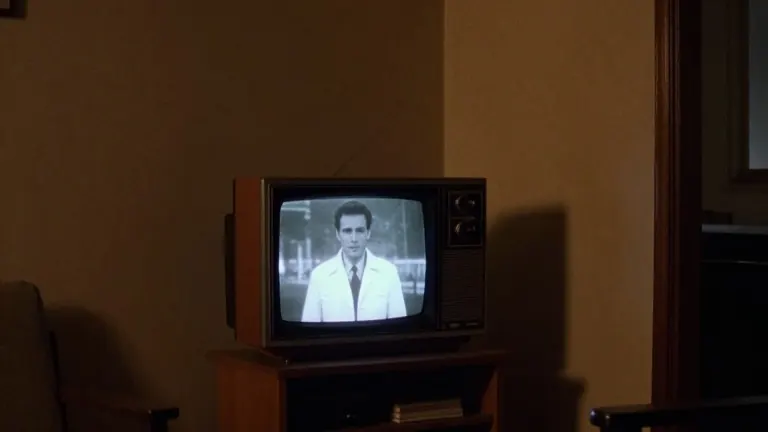
Anatoly Kashpirovskiy was not just a medical doctor; he was a television star who held millions of Soviet citizens in a trance from his living rooms.
Polish director Lukasz Konopa released a documentary titled "Kashpirovskiy. Under the Spell" at the Ji.hlava International Documentary Film Festival in November 2026. The film examines how a trained physician became a national phenomenon by performing mass hypnosis on state channels. Kashpirovskiy claimed he first learned hypnosis to keep medical students awake during lectures. Once state television began broadcasting his sessions, his popularity exploded. He reached an estimated audience of 300 million people, making his shows one of the earliest mass pop culture events in the Soviet Union.
The documentary draws heavily on archival footage found in Ukraine, Poland, Georgia, and the Czech Republic. Konopa and his research team uncovered hundreds of hours of material, including rare 35mm clips from 1971. These early recordings show Kashpirovskiy in a doctor's uniform riding a bike and performing tricks for audiences at collective farms, more than 15 years before his fame peaked. The director noted that the archival work required detective-like persistence to track down who owned which tapes.
Kashpirovskiy’s on-air stunts included operating on patients without anesthetics and persuading Chechen leader Shamil Basayev to release 1,500 prisoners. Konopa described these acts as miracles for citizens living through the economic and social instability of perestroika. The director observed that Kashpirovskiy spoke in a manner similar to modern life coaches, often telling viewers that everything would be okay. One specific line quoted in the film is: "I will hold your hands and walk you through this."
The production received completion funding from HBO in 2025, which allowed the team to continue filming while Kashpirovskiy was still accessible. Konopa stated that the timing was critical because the subject was aging. The director concluded that Kashpirovskiy was a master of stage hypnosis and psychological suggestion rather than a mystic. He perfected his craft over 25 years by performing in factories and villages. Konopa believes the doctor could genuinely induce trance states and pain relief through carefully planned scripts, music, and stage presence. The director said he was more interested in the image television built around the man than in whether the methods were technically fraudulent.
The film explores how the flickering light bulbs in Polish apartments during the 1980s signaled a shared cultural moment. Konopa recalled watching the shows as a seven-year-old in a small village, where the power grid strained under the weight of thousands of bulky televisions running simultaneously. The documentary aims to recreate that sense of enchantment for modern audiences who may not remember the era.