Gee's Bend Ferry Returns to Service After 44-Year Shutdown
The electric vessel, which reconnected a rural Alabama community to the mainland, now serves as a symbol of local resilience.
By Mei Chen ·
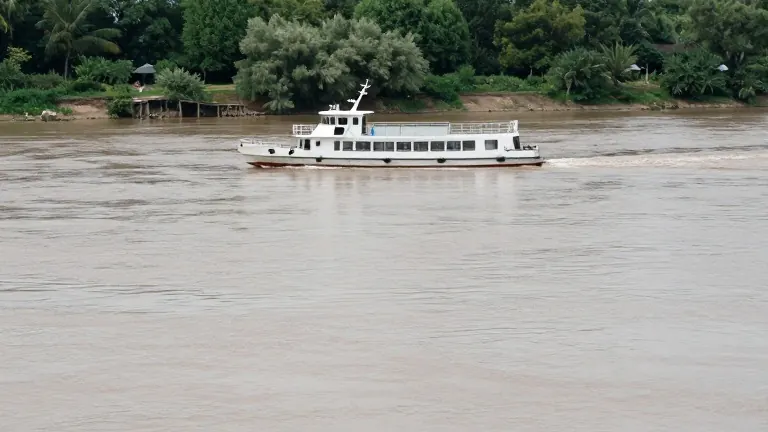
Gee's Bend, Alabama, has a ferry again.
The electric-powered boat connects the community to Camden, a town located 15 minutes away by water. The route crosses a bend in the Alabama River. This connection is the primary link for residents who need to shop, receive medical care, or vote. Without the ferry, the only other option is an 80-mile drive through rural roads.
The community lost this link in 1962. Local officials and the sheriff shut down the service. It had been operating since the 1800s. The shutdown came after residents organized to vote. The ferry remained out of service for 44 years. In 2006, the service was restored. Seven years later, it became the first electric-powered ferry in the United States.
The town is also known for its quilt-making tradition. Artists in Gee's Bend create abstract works using worn clothing and fabric scraps. The art world has recognized these pieces, bringing national attention to the community. The local celebration, known as the Airing of the Quilts, draws visitors who come to see the handmade items.
Visitors and observers have asked questions about the persistence of these traditions. They wonder why residents spend many hours creating quilts when cheaper options are available at stores like Walmart. They also ask why people save old clothing for the purpose. These questions touch on the value of labor and memory in a community that has faced isolation.
The story of the ferry offers a parallel to the local news industry. Nonprofit news organizations have grown from fewer than 30 outlets to more than 500 members in the last two decades. This growth has created pressure to change how these organizations operate. The Institute for Nonprofit News tracks this expansion. The increase in numbers has brought a mandate to evolve, though there is no single agreement on how to do so.
The ferry serves as a model for this adaptation. It returned after a long absence, but it now runs on electricity. It still crosses the same water and carries people to the same destination. The purpose remained constant while the engine changed. This suggests that organizations can keep their core mission while updating their methods.
Access is the foundation of both the ferry and local news. The ferry was a route to the ballot box. Cutting it off was a way to silence a community. Local news acts as infrastructure that connects people to public life. The question for news organizations is who still cannot reach them. Being honored by the art world or the media industry is not the same as evolving. Praise can freeze a tradition in place if the community does not need it to grow.
The handmade quilt carries a specific quality that a factory-made item does not. It holds memory, time, and labor. It is proof that someone was in the room. This concept applies to local reporting. Trust and local knowledge are the handmade elements of the news industry. They are what remains when the rest of the industry changes. The community of Gee's Bend has maintained its identity through adaptation and survival.
The ferry now operates as an electric vessel. It provides the link between Gee's Bend and Camden. It is the first of its kind in the United States. The service continues to allow residents to participate in public life.