FBI Seizes North Korean Hackers' Infrastructure in FaceStealer Case
Federal agents recovered 900 secretly recorded videos and halted a scheme that stole over $400 million in cryptocurrency from more than 900 victims.
By Nathan Cooper ·
Federal agents seized the cloud-based infrastructure used by a North Korean hacking group known as FaceStealer on Thursday. The group has stolen more than $400 million in cryptocurrency from over 900 victims in the last 18 months, according to the U.S. Department of Justice. The FBI also recovered more than 900 webcam videos that hackers recorded secretly from victims to deceive other targets.
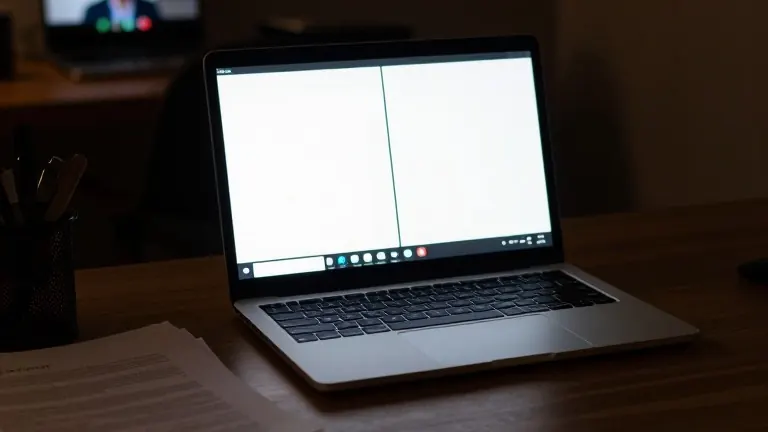
The scheme began when hackers compromised legitimate accounts on platforms like Telegram, LinkedIn, Slack, and Discord. They contacted people on the account holder's professional list with messages suggesting a business opportunity or a catch-up meeting. The invitations appeared to link to standard video conferencing tools such as Zoom or Microsoft Teams. In reality, the links directed victims to convincing imitations of those platforms.
During the fake meetings, victims saw familiar faces on the screen. The hackers played back webcam footage secretly recorded from previous victims. In some instances, they used artificial intelligence to generate deepfakes of prominent figures in the cryptocurrency industry. The scam escalated when a participant claimed a technical problem, such as a malfunctioning microphone. The proposed solution often involved downloading software or pasting code into the computer's terminal.
Installing that malware allowed hackers to steal passwords, access cryptocurrency wallets, and record activity. They then harvested the victim's contacts and webcam footage to repeat the process with new targets. In some cases, hackers waited months or even more than a year after compromising a computer before moving the stolen funds, according to the FBI.
Patrick Grandy, assistant director of the FBI's Los Angeles Field Office, which led the investigation, warned that the scheme is highly effective. "North Korea's FaceStealer is a highly effective social engineering scheme capable of deceiving even the most experienced technical and security conscious computer user," Grandy said. "It exploits our trust in ubiquitous video conference platforms and valued personal relationships."
The group has primarily targeted people in the cryptocurrency and Web3 sectors. Investigators say the threat now extends to developers who maintain widely used software. Earlier this year, hackers tricked the maintainer of a popular open-source JavaScript library into a fake Teams meeting. They installed malware on the developer's machine and used the compromised account to create malicious software. The attack was disrupted before it could affect the tens of millions of people who download the library weekly.
The FBI recommends that users open official meeting applications directly rather than clicking links in messages. If an invitation seems unexpected, verify it by calling or texting the contact through a different method. Users should keep their webcams off until they can clearly hear and see the other party. They should never run code or paste commands to fix audio or video issues during a call. Multifactor authentication should be enabled on all messaging accounts.
People who suspect they have been hacked should change passwords, sign out of active sessions, and enable multifactor authentication immediately. Those with exposed cryptocurrency should create a new wallet on a clean device and transfer their assets. Victims should also alert friends and colleagues that their footage or accounts may be used for impersonation. Suspected attacks can be reported to the FBI's Internet Crime Complaint Center using the keyword FaceStealer.
More News · Sarasota news · Report a business · Got a Story?