Europe Faces Missile Shortages as U.S. Production Lags Behind Demand
Reliance on American systems like the Patriot has left European nations waiting for hundreds of interceptors while the U.S. diverts resources to the Middle East.
By Nathan Cooper ·
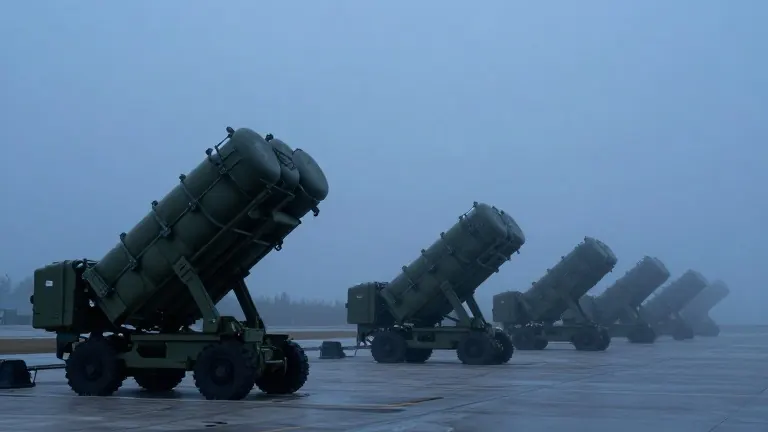
European defense planners once assumed that purchasing American equipment would guarantee a steady supply of air defense capabilities. That assumption is now collapsing under the weight of production delays and competing military priorities.
European countries have become heavily dependent on U.S. technology for their air defense systems over the past decade. Systems such as fighter jets and the Patriot missile defense platform, which can intercept ballistic missiles, were chosen because they offered high quality and immediate availability. Buying American also served a political purpose by keeping the United States committed to European security. However, the availability of these systems is no longer as reliable as expected.
A major backlog of missiles has emerged while demand continues to rise. This shortage is driven by production delays and the U.S. military’s need to allocate resources to the conflict in Iran. European nations that purchased these systems are now locked into American equipment. They cannot easily switch to other suppliers to secure the missiles they need, leaving them dependent on a single manufacturer.
The timing of these delays creates a specific vulnerability for Europe. While the U.S. focuses on the war in Iran, threats from Russia remain a primary concern on the continent. Many European nations are currently subject to the timelines of these defense contracts. They are dealing with longer waits and higher costs while trying to maintain their air defense posture.
An analysis by the Bruegel institute identifies a missed opportunity in 2022. At that time, there were calls to increase funding for and order homegrown European air defense systems. Those recommendations were ignored, and the resulting strategic gap is now clearly visible. The authors argue that Europe failed to invest in its own capabilities when it had the chance.
Business journalist Paddy Hirsch noted that previous presidents had warned about European over-reliance on the U.S., but the current administration has forced the issue more aggressively. Hirsch stated that this situation is actually benefiting Europe by highlighting the need to reduce dependence. He argued that Europe must wean itself off U.S. technology not only because of political unpredictability but also because interests may diverge over the coming decades.
The situation illustrates the risks of centralized procurement in a global supply chain. European countries are now managing a deficit in missile stockpiles while dealing with fixed supplier relationships. The backlog of interceptors remains unresolved as the U.S. balances its own operational needs with export commitments to Europe.