Costume Designers Call Script Their Bible
Janie Bryant and John Glaser discuss the technical and emotional labor behind period and contemporary television wardrobes.
By Nathan Cooper ·
The process of outfitting a character for the screen begins with a single document: the script. Costume designers Janie Bryant and John Glaser described this foundational text as their bible during a panel discussion held in partnership with the Round Top Film Festival. The two Emmy-winning professionals joined Variety senior film reporter Rebecca Rubin to examine how clothing functions as a primary storytelling tool in film and television.
Bryant, whose credits include Mad Men, Deadwood, and the Yellowstone spinoff series, explained that the audience registers a character’s identity through their attire before any dialogue occurs. She called this immediate visual recognition the magic of costume design. Glaser, known for his work on Bridgerton and the Harry Potter 20th Anniversary: Return to Hogwarts special, agreed that the script provides the essential framework for all subsequent creative decisions.
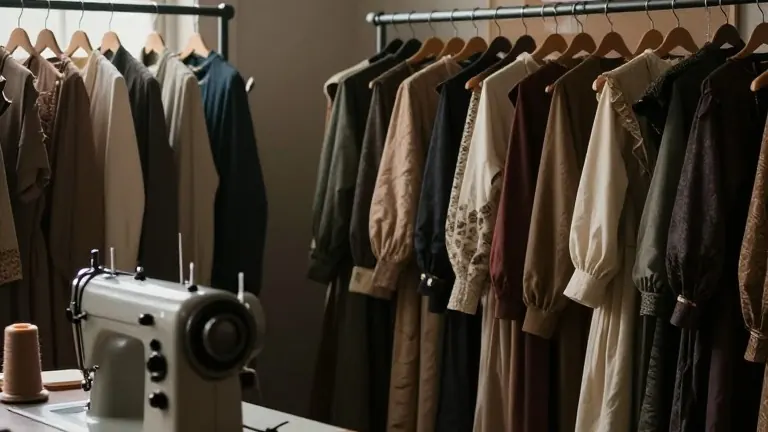
Both designers emphasized the rigorous research required for period pieces. When curating wardrobes from past decades or centuries, the team must source specific items, dye fabrics to exact shades, and create individually tailored garments. The production process demands multiple fittings for each actor and requires the creation of duplicate outfits for stunt doubles. This level of detail distinguishes historical productions from contemporary ones, where modern actors often possess strong personal opinions about current fashion trends.
Glaser noted that actors frequently have less input on period costumes because they are less familiar with the historical context. He observed that modern productions present a different challenge, as actors often bring their own style preferences to the table. Bryant described her approach as collaborative, stating that film is a shared art form where every team member wants to feel included. She aims to listen to actor suggestions while offering her own professional alternatives.
The emotional dynamic between designer and actor is a central part of the job. Glaser compared the fitting room to a therapy session, where he must determine whether feedback stems from a desire to improve the character or from personal insecurity. He stated that when insecurity is the driver, the designer must act as a support system to ensure the actor feels confident in the final look.
Bryant added that actors are often vulnerable when they first see their completed costumes. She noted that the costume designer is frequently the first person the actor sees in that state. Both Glaser and Bryant said they prioritize gaining the actor’s trust in the fitting room, providing the support necessary for the performer to commit fully to the role.
More Culture · Sarasota news · Report a business · Got a Story?