Army completes detonation of unstable lead explosives in Iowa
The controlled blast at the Middletown plant removed roughly five tons of lead azide, ending months of preparation and legal challenges.
By Nathan Cooper ·
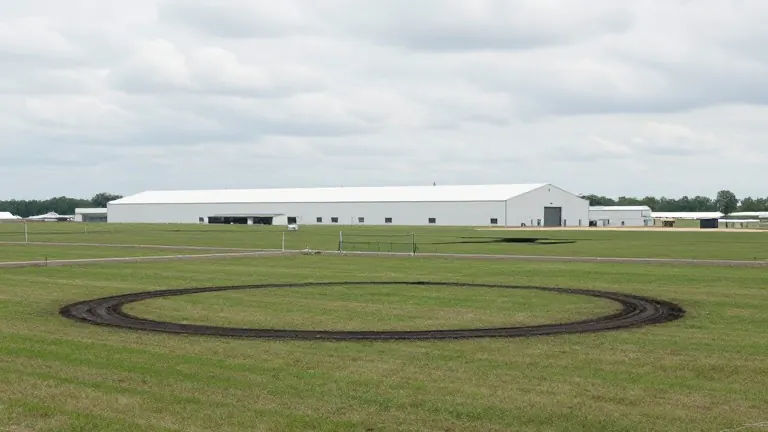
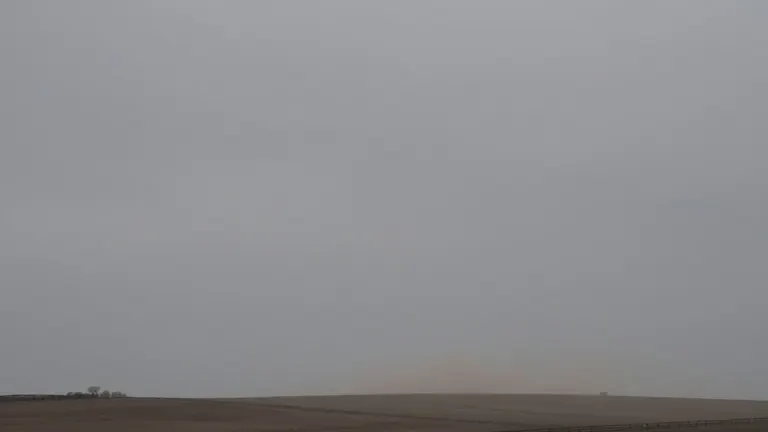
The U.S. Army completed the controlled detonation of more than 60 barrels of unstable lead azide at the Iowa Army Ammunition Plant in Middletown on Wednesday. The blast removed approximately five tons of the explosive material, which the military has used to ignite munitions since World War I.
The material had been stored at the facility for decades. In recent years, crystals formed inside the containers, making the lead azide highly sensitive to movement and temperature changes. Army officials stated in March that the substance had degraded to a point where moving it or opening the containers posed a risk of accidental detonation. The military spent the intervening months attempting non-explosive neutralization methods and building protective berms.
The detonation date changed three times before Wednesday, primarily due to lawsuits filed by environmental groups. A federal appeals court cleared the way for the blast on Monday. President Donald Trump had previously instructed the Army to wait for court approval and sign-off from Iowa Governor-elect Rob Sand, though the court ruling proceeded regardless.
Maj. Gen. Eric Shirley, an Army official, said the detonation was a complete success. He noted that overhead coverage confirmed all barrels were removed without secondary explosions, kickouts, or infrastructure damage. Shirley stated that the action reduced the risk to the health and safety of residents in Middletown and surrounding communities in Iowa as close to zero as possible.
Missouri Governor Mike Kehoe posted on X that initial analysis from federal partners and Iowa Homeland Security indicated the mitigation measures were successful. He added that state agencies would continue monitoring efforts. The Iowa National Guard deployed 100 soldiers to support local agencies and conduct community outreach to 150 households.
Federal Emergency Management Agency officials asked residents within 20 miles southwest of the plant to stay indoors with windows closed to avoid airborne lead dust, noise, and vibration. The Centers for Disease Control and Prevention identified children and pregnant women as facing the greatest danger from lead exposure. Professor Andrew Whelton of Purdue University, who specializes in environmental disaster planning, criticized the timing and messaging of the event, noting that the delay caused anxiety and forced some farmers to consider moving their cattle.
EPA official Tom Croci said agencies worked to set the right parameters for the detonation to ensure it occurred in the optimal environment and timing. Whelton expressed concern about the long-term follow-through on toxic sampling and cleanup, referencing previous incidents such as the East Palestine chemical spill and the Los Angeles wild fires.
More News · Bradenton news · Report a business · Got a Story?