80 adults in sleep study cut 270 calories daily
A randomized trial found that extending sleep by just over an hour reduced spontaneous caloric intake without dietary changes.
By Mei Chen ·
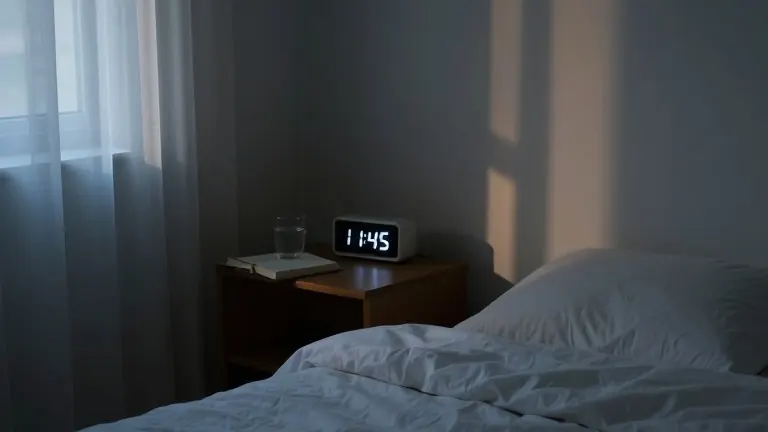
Participants in a randomized clinical trial who were assigned to sleep more consumed approximately 270 fewer calories per day on average, according to new research presented by Seth Creasy, an associate professor of medicine at the University of Colorado Anschutz.
The study involved 80 overweight adults who reported chronic sleep deprivation. Researchers randomly assigned half of the group to receive counseling on how to increase their sleep duration. The intervention resulted in participants sleeping more than one additional hour per night. Without any changes to their food intake plans, these individuals naturally reduced their caloric consumption.
Creasy notes that this reduction in appetite occurred without direct intervention on diet. Other research supports the link between sleep quality and weight management. Christopher Kline, an associate professor of health and human development at the University of Pittsburgh, led a separate study finding that individuals with good sleep health lost more weight and fat mass during a year-long weight loss program than those with poor sleep. Kline reported that poor sleepers also had greater difficulty adhering to diet and exercise goals.
Sleep timing and regularity contribute to these outcomes, Kline says. He explains that sleeping eight hours from 4 a.m. to noon may be less healthy than sleeping from 10 p.m. to 6 a.m. Marie-Pierre St-Onge, a sleep and nutrition scientist at Columbia University, adds that even modest sleep loss impacts weight. In a recent study, participants who slept 90 minutes less than usual gained an average of one pound over six weeks. St-Onge states that this accumulation adds up over time.
Neuroimaging data suggests that sleep deprivation increases activity in brain regions associated with pleasure and reward. This makes it harder to resist sweet and salty foods, particularly later in the day. Kline recalls working overnight shifts in a sleep lab as a doctoral student, where a colleague brought glazed donuts from Krispy Kreme once a week. Kline says he consistently ate one or two donuts despite not being a fan of the flavor, illustrating the difficulty of resisting cravings during sleep deprivation.
St-Onge notes that the relationship between food and sleep is bidirectional. Her team found links between added sugars, saturated fats, and sleep disturbances. Conversely, fruits, vegetables, and fiber were associated with better sleep and fewer night awakenings. She recommends cutting out sweetened beverages and replacing refined carbohydrates with whole grains to improve sleep quality.
Philip Cheng, a professor of medicine at Henry Ford Health in Michigan, advises maintaining a regular sleep schedule and keeping bedrooms cool and dark. He suggests seeing a medical provider if poor sleep persists for months or years.
More News · Bradenton news · Report a business · Got a Story?