30 Films: Skydance's Theatrical Goal Relies on International Content, Investor Says
Joe Ravitch argues that the Paramount-Warner merger requires global partnerships to meet its annual release pledge while streamers pivot to the Global South.
By Nathan Cooper ·
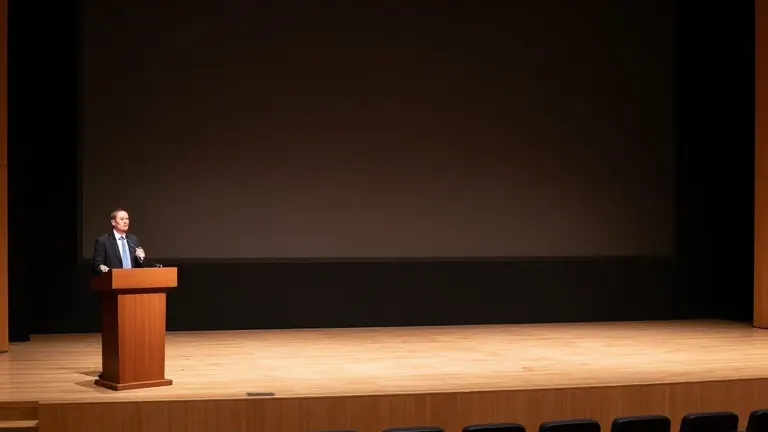
Joe Ravitch, co-founder of the Raine Group, stated that Skydance must secure international film deals to fulfill its commitment to release at least 30 movies in theaters annually. The investor made the assessment during a keynote address on the first day of the Doha Film Festival’s Industry Days. He noted that the newly formed studio, resulting from the merger of Paramount and Warner Brothers, faces a high bar set by owner David Ellison.
Ravitch said the studio will need partners around the world to fill its pipeline across various genres. "I would guarantee you they are going to need international films to succeed as part of the world plan for national releases," he said. He described these acquisitions as large investments that require global collaboration rather than reliance solely on domestic Hollywood productions.
The call for international content coincides with a strategic shift by major streaming platforms. Ravitch identified the Global South as the next major growth area for companies like Netflix, which recently reported its stock price at a two-year low. This financial dip occurred shortly after the company dismissed key executives, including chief content officer Bela Bajaria and film chief Dan Lin. Ravitch argued that streamers have reached subscription saturation in the United States and Western Europe, forcing them to target audiences in Asia, Africa, and the Middle East.
This expansion creates a specific opportunity for Arab cinema. Ravitch noted that the era of Hollywood monoculture is ending, with local films increasingly filling the top 10 box office slots in specific markets. "If all the streamers show up in a market and deliver Hollywood content, they are not going to succeed," he observed. He added that streamers are aware they must produce local content to maintain subscriber growth in these regions.
The traditional Hollywood model of relying on major stars and intellectual property is also weakening. Ravitch pointed to the success of low-budget films like "Backrooms" and "Obsession" as evidence of this trend. He argued that Middle Eastern countries often misstep by trying to attract big-name Hollywood stars to shoot locally. "It’s not about getting Tom Cruise to shoot a movie," he said, criticizing a race to the bottom that prioritizes famous faces over organic local development.
He warned that films shot in Arab countries often appear generic and lack distinct cultural characteristics, leading audiences to believe they were filmed in other hubs like Hungary, Italy, or China. "Productions will go wherever it’s cheapest to shoot the film," Ravitch stated. He advocated for a bottom-up approach that develops local creativity while utilizing international expertise, leveraging the region's native audience and substantial diaspora in the U.S. and Europe.
A critical challenge remains in how streamers handle revenue sharing with local makers. Stuart Ford, chairman and chief executive officer of AGC Studio, raised this issue during a Q&A session. Ford noted that local stakeholders in countries like Qatar invest in financing and developing content but often surrender most of the upside to secure a global audience. "Streaming doesn’t share in the revenues," Ford said. He cited the Korean series "Squid Game" as an example, where production company Firstman Studio gained prominence but Netflix retained the rights to the franchise.
Ravitch agreed, describing the situation as a systemic problem. He referenced a partner at Property Media who earns no profit on a top show for Apple because the deal was structured at 120% cost. "So he’ll never make any," Ravitch said. He emphasized the need for Arab markets to carefully structure agreements as they mature to avoid giving away long-term value while attracting global streaming interest.
The Arab world presents a substantial market with approximately 500 million Arabic speakers worldwide. This includes a large diaspora population in Western countries who seek representation on screen. Ravitch highlighted that this combination of native demand and global streaming interest offers a unique economic advantage for the region's film industry. He urged industry leaders to balance the need for international distribution with the protection of local creative rights.
Ravitch concluded his address by stressing the importance of thoughtful strategy in this emerging market. He suggested that creating an environment where streamers want to participate requires clear rules on revenue and rights. The Doha Film Festival Industry Days provided a venue for these executives to discuss how to build a sustainable ecosystem for Arab storytelling that benefits local producers and global audiences alike.
More Business · Sarasota news · Consumer Watch · Report a business · Got a Story?